
Is My Shampoo Really Vegan?
Share
Last updated: February 2026
No matter your hair type, you should be able to find a shampoo that’s effective, cruelty-free, and fully vegan. But in reality, many hair care products still contain animal-derived ingredients or are tested on animals — often for cost or convenience, not performance.
If you’ve ever wondered whether your shampoo is truly vegan, here’s what you need to know.
What does “vegan shampoo” actually mean?
A vegan shampoo:
- Contains no animal-derived ingredients
- Is not tested on animals
- Uses plant-based or synthetic alternatives instead of animal by-products
Importantly, an ingredient being “natural” does not automatically mean it’s vegan.
Why do shampoos still contain animal ingredients?
In many cases, animal-derived ingredients are used because they are:
- Cheap
- Widely available
- Familiar to manufacturers
They are not essential for cleansing or hair performance. Today, plant-based alternatives can provide the same — or better — results.
Common non-vegan ingredients found in hair care
Even products marketed as “gentle” or “natural” may contain animal-derived ingredients. Here are some of the most common ones to watch for.
Biotin
Often added to shampoos and conditioners to support hair strength and texture.
Why it may not be vegan:
Biotin can be derived from animal sources.
Vegan alternative:
Plant-based biotin can be sourced from ingredients such as leafy greens, carrots, onions, cabbage, and berries.
Cetyl Alcohol
Used to soften hair and improve texture in shampoos, conditioners, and styling products.
Why it may not be vegan:
Historically, cetyl alcohol was derived from animal sources.
Vegan alternative:
Modern vegan formulas use vegetable-derived cetyl alcohol, often sourced from coconut or palm. Always check for “plant-derived” on the label.
Gelatin
Used to thicken products and provide hold in gels and styling products.
Why it’s not vegan:
Gelatin is derived from animal bones, skin, and connective tissue.
Vegan alternative:
Carrageenan (Irish moss), agar, kelp, and other seaweed-based thickeners provide similar texture without animal by-products.
Hyaluronic Acid
Known for adding hydration and improving manageability.
Why it may not be vegan:
Some forms are traditionally derived from animal sources.
Vegan alternative:
Fermentation-derived hyaluronic acid (plant-based) is now widely available and commonly used in vegan formulations.
Keratin
Used in treatments and shampoos to strengthen and smooth hair.
Why it’s not vegan:
Keratin is commonly sourced from animal hair, feathers, horns, or hooves.
Vegan alternative:
Plant proteins, amino acids, and botanical extracts can mimic keratin’s strengthening effects without animal ingredients.
Silk Powder
Added to shampoos, conditioners, and styling products for shine and smoothness.
Why it’s not vegan:
Silk is produced from silkworms.
Vegan alternative:
High-quality plant oils (such as açai oil) and botanical shine enhancers provide similar gloss and softness.
Stearic Acid
Used as a stabilizer and thickener in many personal care products.
Why it may not be vegan:
It can be derived from animal fats.
Vegan alternative:
Vegan stearic acid is sourced from cocoa butter or shea butter — but it must be clearly labeled as plant-derived.
Why label clarity matters
Many ingredients can be either animal- or plant-derived.
If a product does not clearly state vegan or plant-based sourcing, it’s safer to assume it may not be vegan.
Transparency matters.
Why choose vegan shampoo?
Beyond ethics, there are practical reasons many people switch to vegan hair care.
Conventional shampoos often:
- Use harsh detergents
- Contain unnecessary additives
- Rely on animal testing
- Trigger irritation for sensitive skin or scalps
Vegan shampoos typically focus on:
- Gentler formulations
- Plant-based cleansing agents
- Reduced irritation
- Transparency in sourcing
The benefits of vegan shampoo
A well-formulated vegan shampoo can:
- Clean effectively without stripping hair
- Be gentler on sensitive scalps
- Reduce the risk of irritation or allergic reactions
- Align with cruelty-free values
Vegan also means no beeswax, honey, or other animal by-products — something many people don’t realize when shopping.
The bottom line
Vegan shampoo isn’t about sacrificing performance — it’s about better choices.
With modern plant-based ingredients, there’s no need for animal-derived materials in hair care. Reading labels, understanding ingredient sourcing, and choosing transparent brands makes all the difference.
If you’re looking for hair care that’s:
- Vegan
- Cruelty-free
- Clearly labeled
- Designed with ingredient integrity in mind
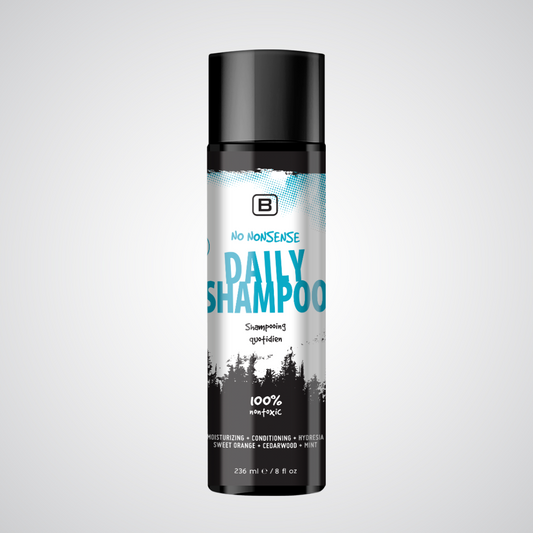
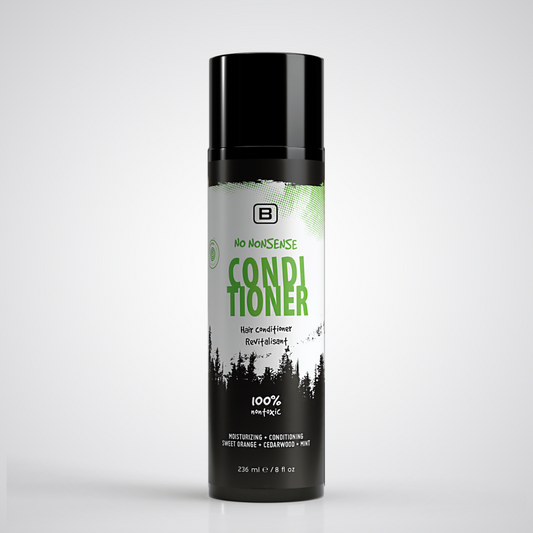
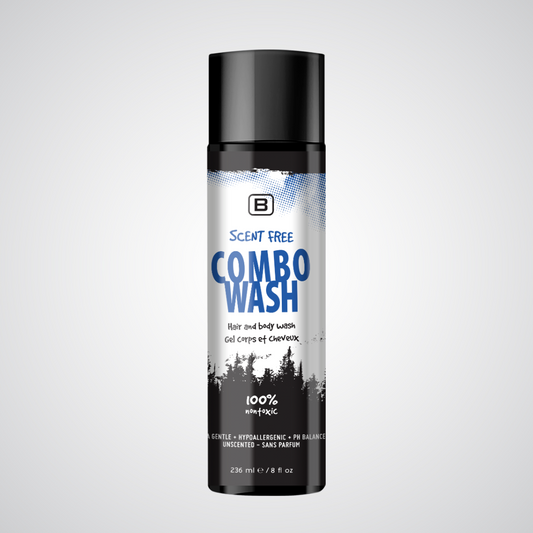
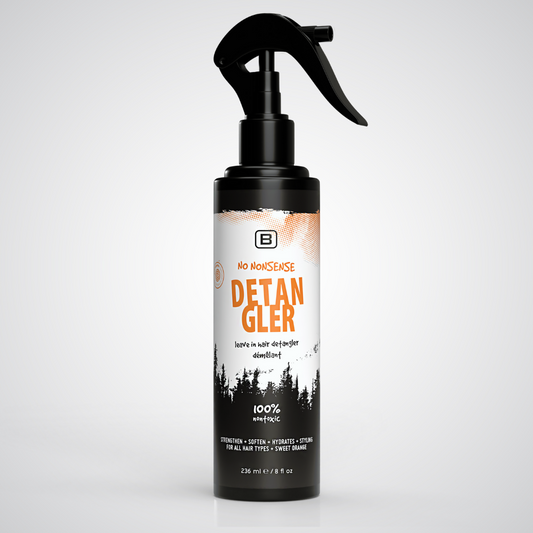
Explore BOYZZ ONLY’s range of vegan hair products, created without animal ingredients and without compromise.