
Should People With Celiac Disease Use Gluten-Free Shampoo?
Share
Last updated: February 2026
People with celiac disease are understandably careful about gluten — especially when it comes to food. But what about hair and personal care products?
Do shampoos containing gluten pose a real concern?
The answer is nuanced — and depends on sensitivity, exposure, and individual skin reactions.
Can gluten be found in shampoo and hair care products?
Yes. Gluten-derived ingredients are commonly used in shampoos, conditioners, styling products, and body washes — often for conditioning, strengthening, or thickening.
These ingredients are usually derived from:
- Wheat
- Barley
- Rye
- Oats
They are added for texture or performance, not because they are essential.
Is gluten absorption through the skin a concern for celiac disease?
For most people with celiac disease, gluten does not penetrate healthy skin in a way that causes intestinal damage.
However, there are important exceptions.
People may still experience issues due to:
- Scalp irritation or inflammation
- Compromised skin barriers (eczema, dermatitis, broken skin)
- Accidental ingestion (hands, shower runoff, lip contact, towels)
- Increased sensitivity or immune response
This is why many individuals with celiac disease choose to avoid gluten in personal care products, even if it’s not strictly required.
Why do some people with celiac disease feel better using gluten-free shampoo?
Many people report improvements when switching to gluten-free hair and body care, especially if they experience:
- Itchy or irritated scalp
- Redness or flaking
- Eczema or contact dermatitis
- Sensitivity reactions without a clear cause
For these individuals, avoiding gluten-containing ingredients can reduce overall exposure and immune stress, particularly with daily-use products.
Does gluten affect people with eczema or sensitive skin?
Yes — for some people.
Eczema and other inflammatory skin conditions compromise the skin barrier. When the barrier is weakened, certain ingredients — including gluten-derived proteins — may be more likely to trigger irritation or discomfort.
This doesn’t mean gluten causes eczema, but removing potential irritants often helps calm reactive skin.
Why do some people choose gluten-free personal care as a precaution?
Your skin is your largest organ.
Daily exposure matters.
For people who already avoid gluten internally, many ask:
If I avoid gluten in my diet, why wouldn’t I avoid it on my skin — especially when alternatives exist?
Choosing gluten-free shampoo is often about:
- Reducing cumulative exposure
- Avoiding unnecessary irritants
- Supporting sensitive or reactive skin
- Peace of mind
Common gluten-derived ingredients found in shampoo
Gluten doesn’t always appear as the word “gluten” on a label. It’s often listed under botanical or chemical names.
Ingredients commonly derived from gluten sources:
- Triticum vulgare (wheat)
- Hordeum vulgare (barley)
- Secale cereale (rye)
- Avena sativa (oats)
- Wheat germ oil
- Hydrolyzed wheat protein
- Stearyl dimonium hydroxypropyl (hydrolyzed wheat protein)
- Laurdimonium hydroxypropyl (hydrolyzed wheat protein)
- Colloidal oatmeal
- Hydrolyzed vegetable protein (may contain wheat)
- Dextrin palmitate (starch, potentially wheat-derived)
- Vitamin E (often wheat-derived unless specified)
- Malt extract (usually barley)
- Beta-glucan (frequently wheat-derived)
- Vegetable protein (may include wheat, barley, rye, or oats)
Why ingredient lists aren’t always enough?
The absence of obvious gluten ingredients does not automatically mean a product is gluten-free.
Why?
- Ingredients can be derived from multiple sources
- Some sourcing is not disclosed
- Catch-all terms like “fragrance” can hide complex ingredient blends
- Botanical names don’t always indicate processing origin
This is why clear gluten-free labeling and brand transparency matter.
Should everyone with celiac disease use gluten-free shampoo?
Not necessarily — but many choose to.
Gluten-free shampoo may be especially helpful if you:
- Have celiac disease and sensitive skin
- Experience scalp irritation with conventional products
- Have eczema or barrier-compromised skin
- Want to minimize all potential gluten exposure
- Prefer full ingredient transparency
There is little downside when high-quality gluten-free alternatives are available.
The bottom line
While gluten-containing shampoos are not proven to cause intestinal damage through intact skin, many people with celiac disease feel better avoiding gluten in personal care products, especially for daily use.
Gluten-free shampoo is about:
- Reducing irritation
- Supporting sensitive skin
- Eliminating unnecessary exposure
- Making informed, intentional choices
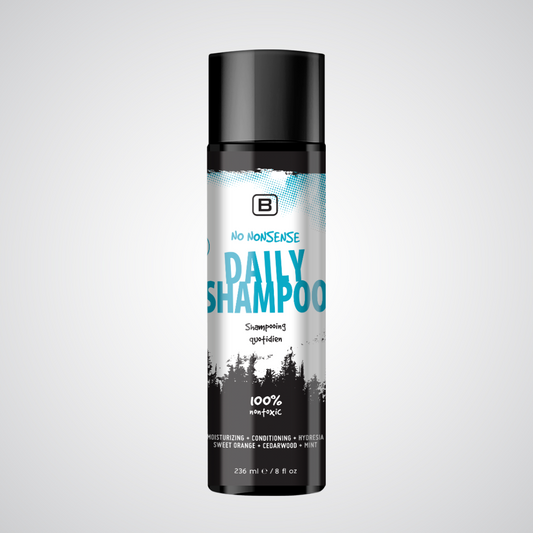
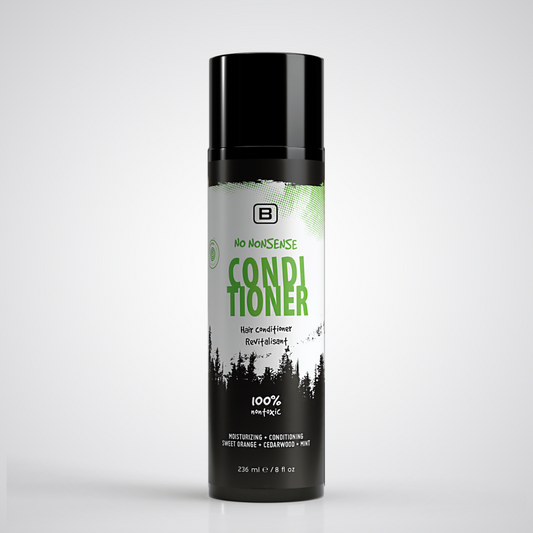
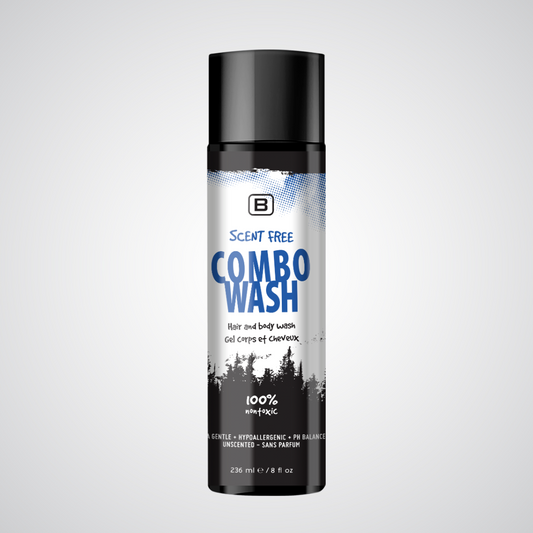
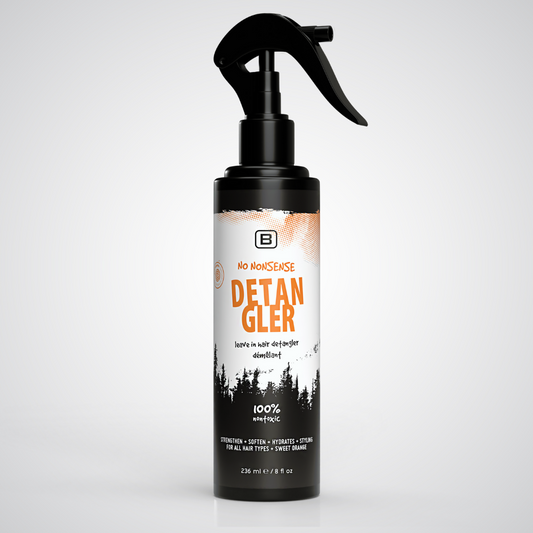
All BOYZZ ONLY hair and body care products are formulated gluten-free, so you never have to question what’s in your routine.